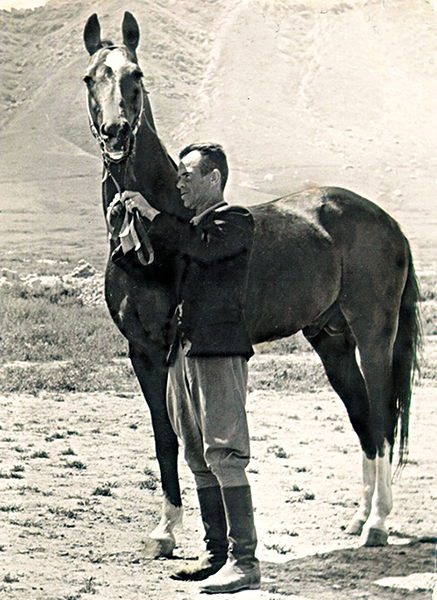
1952
Helsinki. The first Summer Olympics in which Soviet athletes participated. Tersk stallion Tsetsar, born in our stud, under the saddle of one of the strongest masters of the dressage in the country, Nikolai Alekseevich Sitko, represented the USSR at these competitions.
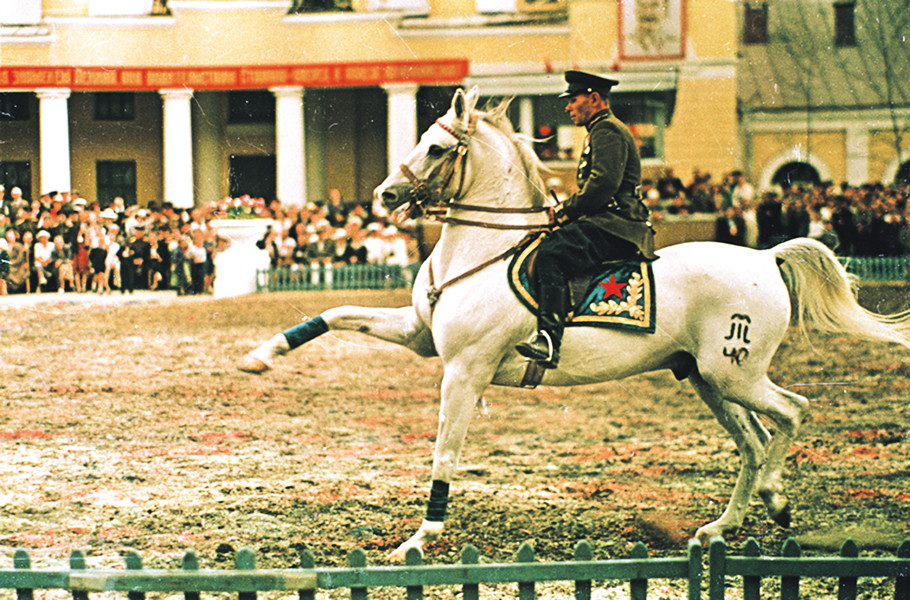
1953
Cavalry in the Soviet Army was abolished. All Military Studs, including Tersk Stud, were transferred from the Management of Military Studs to the Ministry of Agriculture. Due to the mechanization of agriculture, it was decided to make a large-scale reduction in horse livestock in the country. Until the beginning of the 60s, horse breeding was going through very difficult times; valuable mares and stallions in all farms of our country fell under the “hammer of reduction”; breeding young animals were sold in herds for meat.
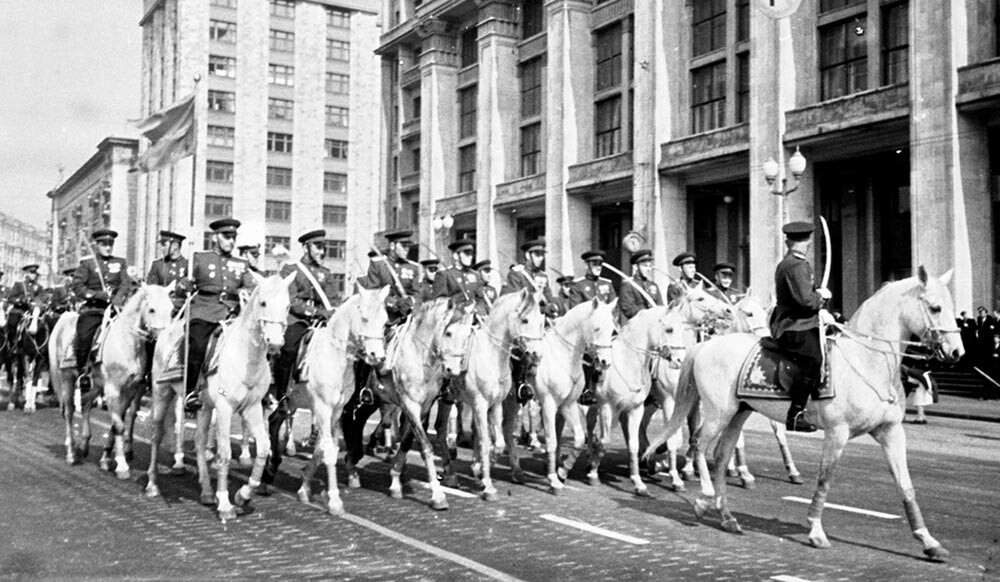
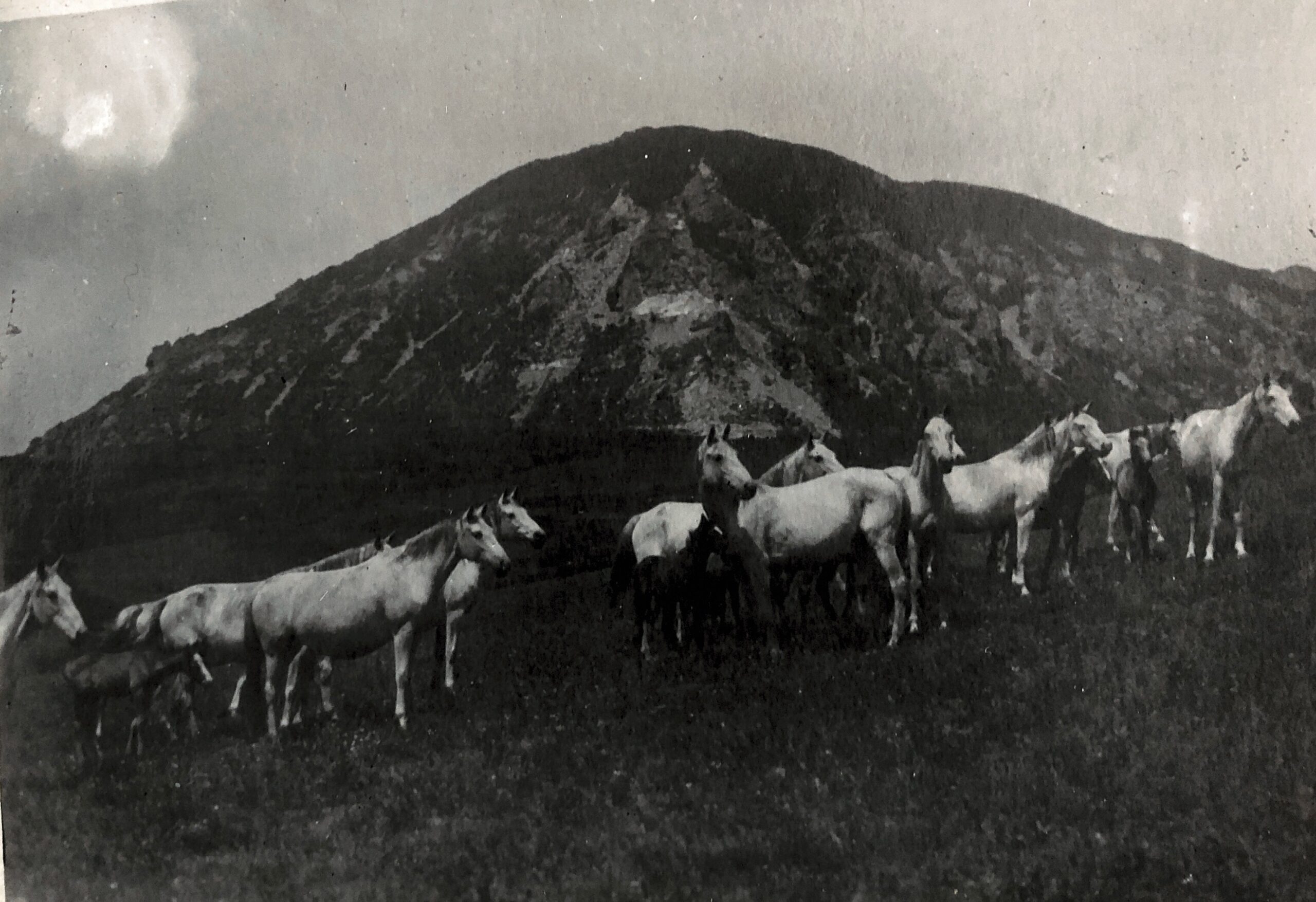
1954
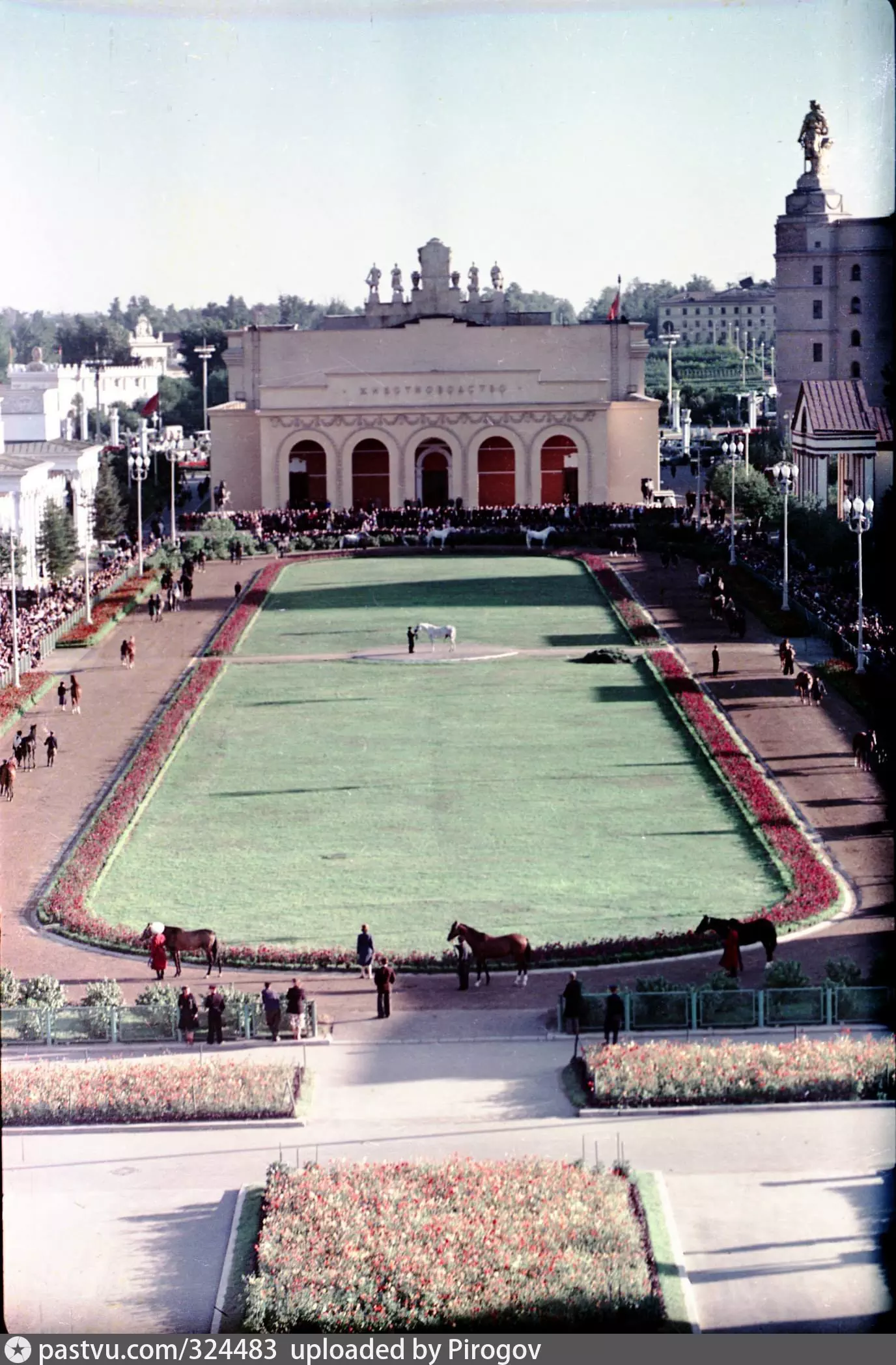
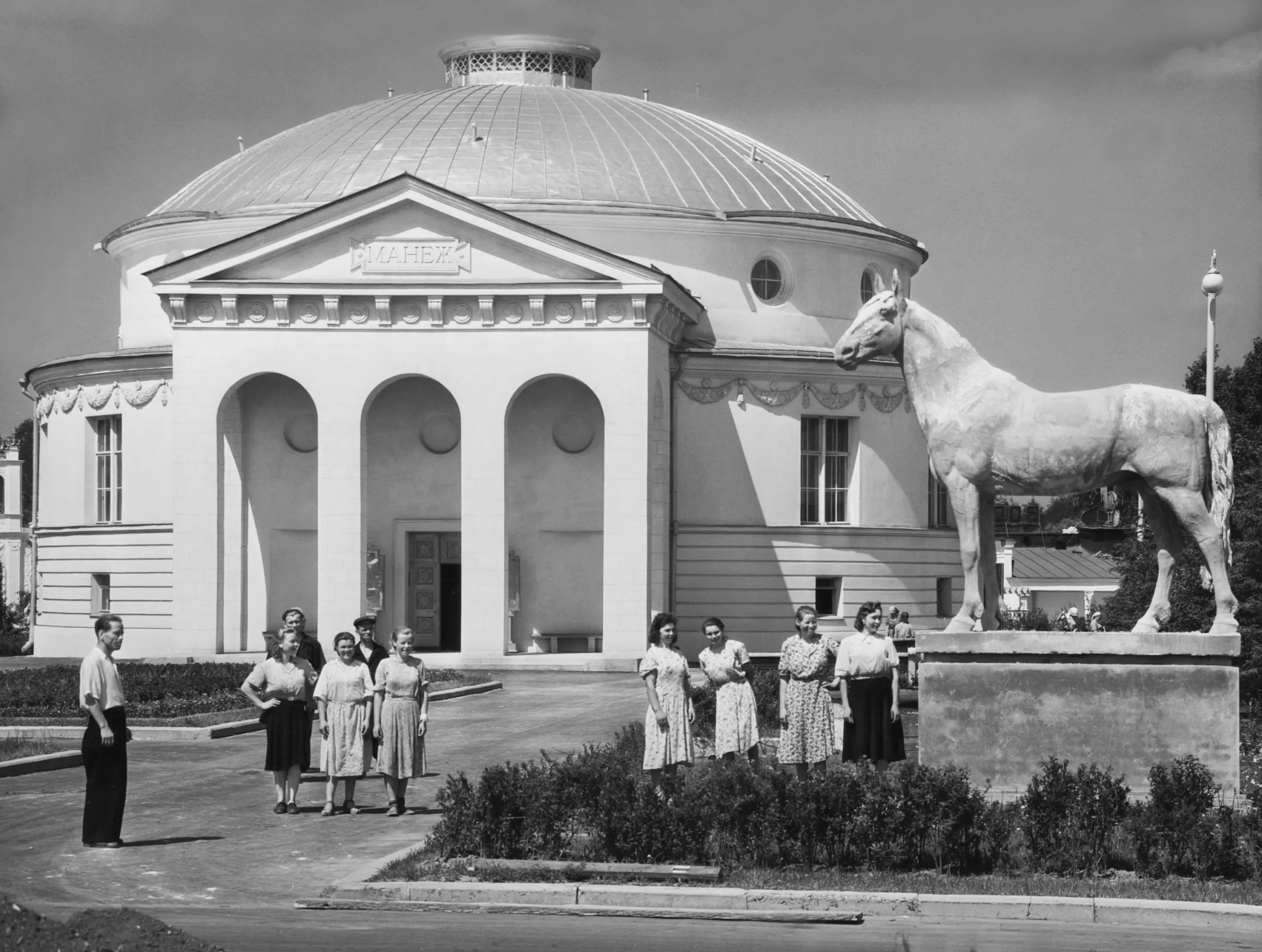
The All-Union Agricultural Exhibition resumed its work in Moscow, and until 1960 horses from our stud became winners of this prestigious event. Pomeranets and Nabor, Ptashka and Ponton, Taktika and Platina brought winners’ gold medals to the Stud!
1955
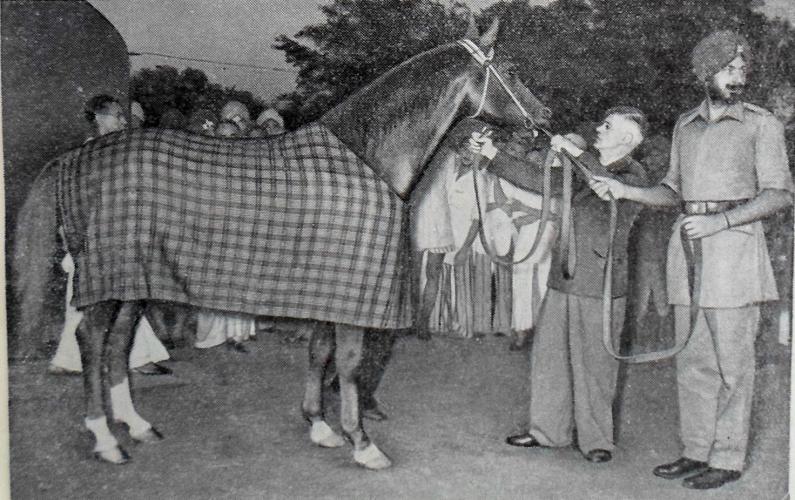
The Tersk Stud exported Arabian horses abroad for the first time. Stallion Kolos (Korej – Parfumeria) was sent to India, stallion Kupidon (Korej – Probirka) and mare Plotina (Priboj – Taraszcza) were sent as a gift to the President of Yugoslavia Joseph Broz Tito.
1957
Vladimir Petrovich Shamborant came to work at the stud and formed there a Turkmen department that lasted for 14 years. Akhal-Teke horses born and bred at the Tersk Stud became the standards of the breed in terms of both their distinct type – Yulduz, Gundogar, Azat, Fantazia, Guldzhakhan; and in terms of racing performance – Opal, Posman, Kaltaman, Ametist. The Akhal-Teke horses of Tersky famous in sports were Gerek, Penteli, Goknar, Posman and others. In 1971, the Akhal-Teke department at the Tersk Stud was abolished, and Vladimir Shamborant left for the Dagestan stud with especially valuable remains of the horses.